How Speed Enforcement Saves Lives

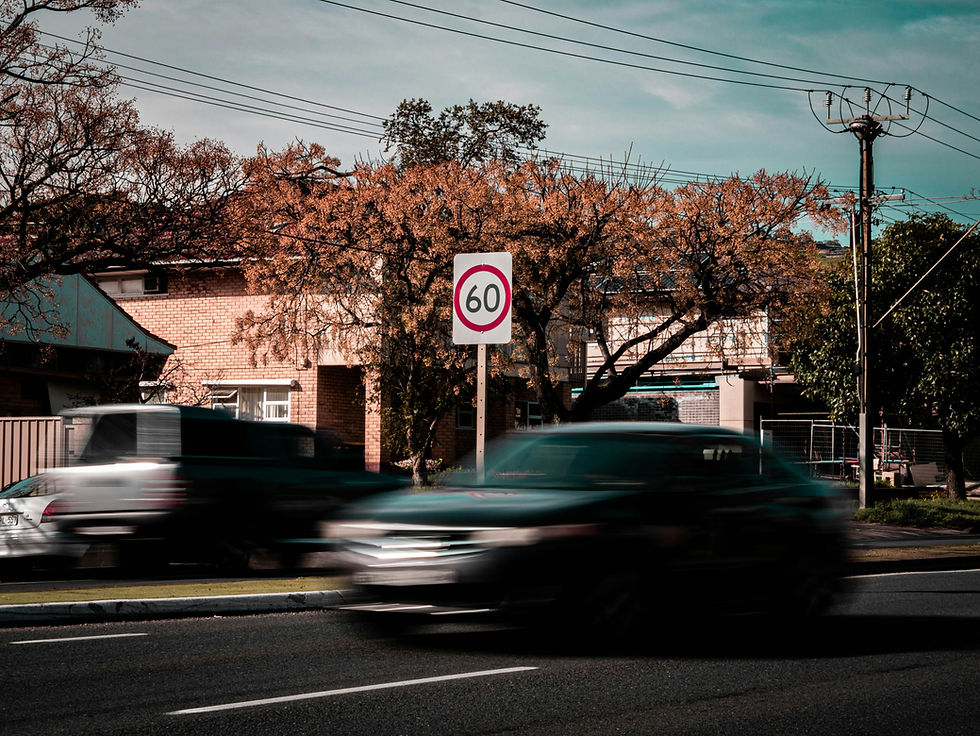
Speed plays a role in all collisions. While it is one of the most dangerous factors on the road, it is also one of the most preventable. Across the globe, many different measures are used to reduce and discourage speeding. Although critics dismiss many of these measures as “cash-grabs” or fault them for being ineffective, the evidence is clear. Speed prevention measures save lives.
“The World Health Organization (WHO) has identified speed to be a key contributing factor in all road traffic collisions, deaths and injury severity.”
Speeding Tickets
Measures like tickets and fines for speeding can act as powerful deterrents. Though they don’t stop a driver from speeding in the first place, they discourage that driver from speeding next time. Tickets issued by police officers on patrol depend on the police officer being in the right place at the right time. Speed cameras, on the other hand, can capture any speeding vehicle. This means that roads equipped with speed cameras that issue tickets see a decline in speeding offences.
“When cameras are installed, they issue many violations in the first month, followed by a steep decline in the next few months as drivers learn about their location. This suggests that the cameras effectively deter speeding by changing driver behavior, a best-of-both-worlds scenario where financial penalties decline as safety benefits accrue.”
The Hospital for Sick Children in Toronto, Ontario, Canada published a study on the city’s Automated Speed Enforcement program, which ran from 2020 to 2022, and consisted of 50 speed cameras positioned in school zones around the city. The study found that speeding incidents were reduced in areas where ticketing was implemented.
“This automated speed enforcement program was effective in significantly reducing the number of vehicles speeding, and the overall vehicle speeds, in community safety zones near Toronto schools.”
In phase one of the program, the city installed data-gathering pneumatic tube devices that could determine when cars were speeding and how fast they were going. However, no tickets were issued based on the data which meant that the program did not actively deter speeding. In phase two of the program, signs were posted warning that speed cameras would be installed. In phase three of the program, speed cameras were installed around the city and began issuing tickets.
Following phase three, significantly less speeding occurred in areas where cameras had been installed and the ticketing system was in place. In urban school zones, the proportion of speeding vehicles went down by 45%. Overall, the proportion of drivers going 10 km/h over the speed limit decreased by 74%, the proportion of drivers going 15 km/h decreased by 84%, and the proportion of drivers going 20 km/h or more over the speed limit decreased by 88%. This is a promising result, suggesting that speed enforcement measures are particularly effective at discouraging the most dangerous driving behaviors.
A decrease in speeding means an increase in safety for all road users. Higher speeds increase both the severity of injuries and the likelihood of fatalities in a collision. Pedestrians are especially vulnerable in speed-related collisions, as they have less protection in a crash. Children are particularly at risk, because they are harder to see, are more unpredictable in their movements, and are less aware of their surroundings.
“Pedestrians have less than a 50% chance of surviving an impact at speeds above 45 km/h, but a 90% chance of survival at speeds below 30 km/h.9,10 Therefore, mitigating the incidence of speed-related collisions through targeted interventions can have a significant impact on the safety and well-being of vulnerable road users.”
Speeding is one of the most deadly issues facing road users, and studies make clear that speeding tickets, and speed cameras which work to issue them, work to reduce the prevalence of this behavior behind the wheel. After someone receives a ticket for speeding, they are less likely to engage in this behavior in the future. Speeding cameras maximize a city’s ability to ticket people by identifying each instance of speeding in a given area. This decreases the likelihood of collisions, injuries, and deaths.
Speed cameras are not the only tools that influence driver behavior. Driver training also plays a critical role in getting drivers to slow down and adopt safer habits. Impactful coaching, delivered regularly, can discourage drivers from continuing to violate speed limits. This is why alertdriving offers customizable lesson plans that target each driver’s individual infractions. Drivers with a higher number of infractions can be assigned additional lessons focused on speeding and other related risky behaviors. This helps keep the training responsive and ensures that drivers that present the highest risk are coached accordingly.
Contact us at sales@alertdriving.com to learn more about program options.
Sources:


Comments